Weight training benefits for the older generation
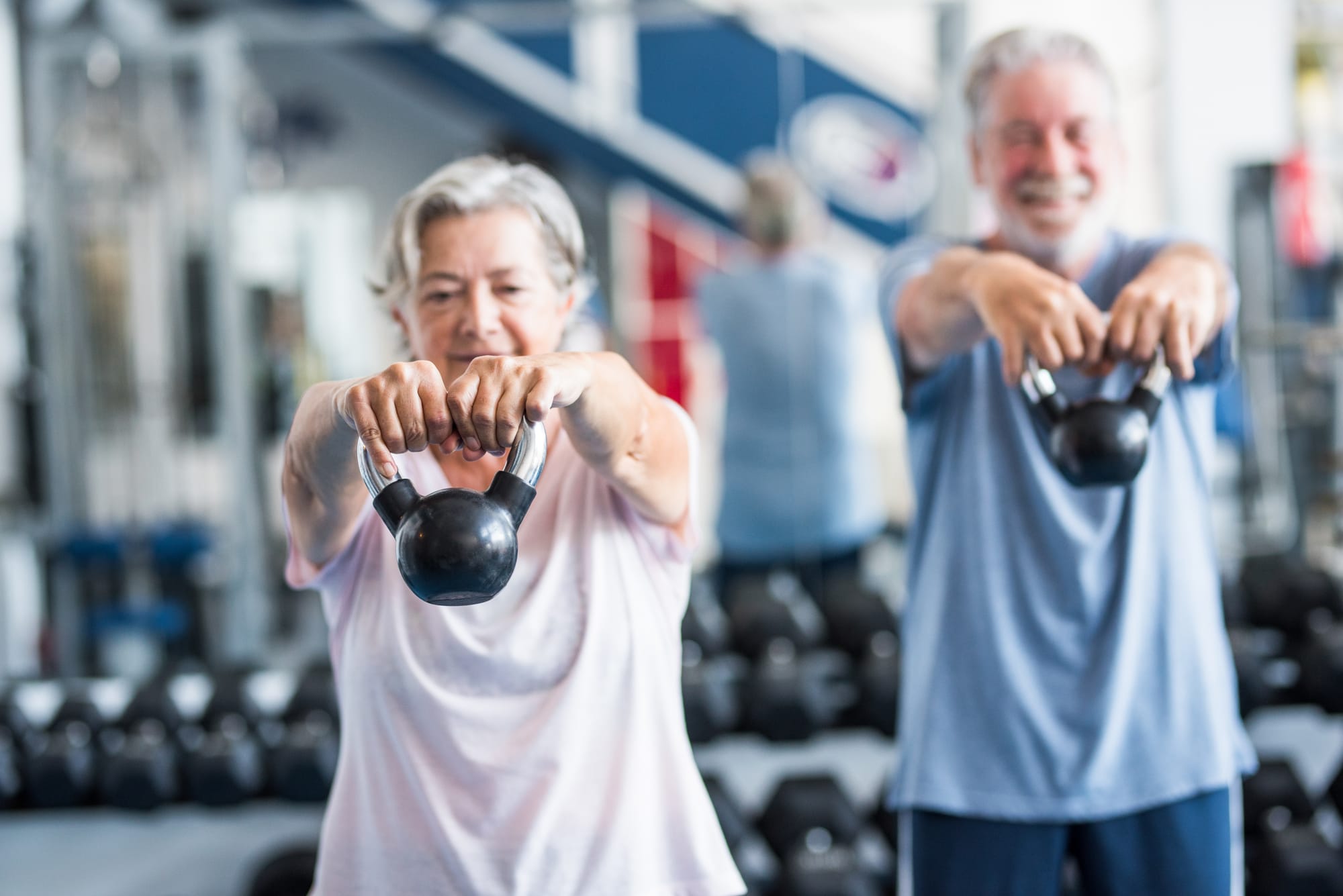
As the population ages, maintaining health and independence becomes a primary concern for older adults. Engaging in regular physical activity is crucial, and weight training, in particular, offers numerous benefits that can significantly enhance the quality of life for seniors. This article delves into the various reasons why weight training is especially beneficial for the older generation.
1. Preservation of Muscle Mass and Strength
One of the most significant issues facing older adults is sarcopenia, the age-related loss of muscle mass and strength. This decline begins as early as the fourth decade of life and accelerates after the age of 50. Weight training is an effective countermeasure to sarcopenia. By regularly lifting weights, seniors can preserve and even increase their muscle mass, leading to improved strength and physical function. This, in turn, helps maintain independence in daily activities such as walking, climbing stairs, and carrying groceries.
2. Bone Health Improvement
Osteoporosis, characterized by weakened bones and an increased risk of fractures, is another concern for the aging population. Weight-bearing exercises, including weight training, stimulate bone formation and increase bone density. This can reduce the risk of fractures and contribute to overall skeletal health. Studies have shown that resistance training can increase bone mineral density in postmenopausal women, who are particularly at risk for osteoporosis.
3. Enhanced Metabolic Health
As people age, metabolic rate often decreases, leading to weight gain and associated health issues such as type 2 diabetes and cardiovascular disease. Weight training boosts metabolic rate by increasing lean muscle mass, which burns more calories at rest than fat tissue. Additionally, resistance training improves insulin sensitivity, helping to regulate blood sugar levels and reduce the risk of type 2 diabetes.
4. Improved Joint Health and Pain Reduction
Arthritis and joint pain are common in older adults, often leading to a sedentary lifestyle which can exacerbate these conditions. Contrary to the belief that exercise might worsen joint pain, weight training, when done correctly, can improve joint health. Strengthening the muscles around joints provides better support and reduces stress on the joints themselves. Additionally, weight training can enhance flexibility and range of motion, contributing to less pain and greater mobility.
5. Mental Health Benefits
The mental health benefits of physical exercise are well-documented, and weight training is no exception. Engaging in regular resistance exercise has been shown to reduce symptoms of depression and anxiety, improve cognitive function, and enhance overall mood. The sense of accomplishment and the social interaction often associated with group training sessions can further enhance mental well-being.
6. Enhanced Balance and Fall Prevention
Falls are a major concern for older adults, often leading to serious injuries and a loss of independence. Weight training improves muscle strength, coordination, and balance, which are crucial for fall prevention. Exercises that focus on the lower body, such as squats and lunges, are particularly beneficial. By improving these physical attributes, seniors can navigate their environments more safely and confidently.
7. Increased Longevity and Quality of Life
Research has consistently shown that regular physical activity, including weight training, is associated with increased longevity. Beyond just adding years to life, weight training can add life to years by enhancing the overall quality of life. Seniors who engage in regular resistance exercise are more likely to maintain their independence, enjoy recreational activities, and experience fewer health issues.
Getting Started Safely For older adults interested in beginning a weight training program, it is important to do so safely:
Consult with Healthcare Providers:
Before starting any new exercise regimen, it is advisable to consult with a healthcare provider, especially if there are pre-existing health conditions.
Work with a Professional: A certified personal trainer with experience in working with older adults can design a program tailored to individual needs and capabilities.
Start Slow: Begin with lighter weights and gradually increase resistance as strength and confidence build.
Focus on Proper Form: Ensuring proper technique is crucial to avoid injuries. Slow, controlled movements are more beneficial than fast, jerky motions.
Consistency is Key: Regular workouts, even if they are shorter in duration, are more effective than sporadic, intense sessions.
Conclusion
Weight training offers a multitude of benefits for the older generation, from improving physical health and functional abilities to enhancing mental well-being and quality of life. By incorporating weight training into their routine, older adults can enjoy a more active, independent, and fulfilling life.